Electronics & Communication
About Department
The Electronics and Communication Engineering Department at SAL Institute of Technology and Engineering Research was established in 2009 for undergraduate studies and 2012 for postgraduate studies. The department aims to equip students with a deep understanding of electronics and communication systems, enabling them to analyze, implement, operate, and maintain various applications in the field. Affiliated with Gujarat Technological University, the institute offers a four-year Bachelor’s Degree in Electronics and Communication Engineering with an intake capacity of 30 students, along with a two-year Master’s Degree with an intake of 18 students.
The curriculum is designed to provide both theoretical knowledge and practical expertise, ensuring students gain hands-on experience in embedded systems, wireless communication, digital signal processing, satellite communication, and biomedical instrumentation. The department fosters innovation, problem-solving, and teamwork, preparing students for dynamic roles in research, design, development, and industry applications. Graduates can look forward to exciting career opportunities in telecommunications, automation, semiconductor industries, and beyond.
Vision:
Electronics & Communication Engineering shall strive to act as a podium for the development and transfer of technical competence in academics, entrepreneurship and research in the fields of electronics and communication to meet the changing needs of society.
Mission:
Committed to impart excellent technical education to the students to create techno excellent citizens who will be retaining rich cultural identity to the full satisfaction of our stake holders and society at large with further commitment to serve the nation.
The curriculum is designed to ensure students gain both theoretical knowledge and practical expertise in embedded systems, wireless communication, digital signal processing, satellite communication, and biomedical instrumentation.
The department houses state-of-the-art laboratories, each catering to specific aspects of electronics and communication engineering:
Electronics Workshop Lab: Introduces students to basic electronic components and circuit assembly using power supplies, oscilloscopes (CRO), multimeters, breadboards, and soldering irons.
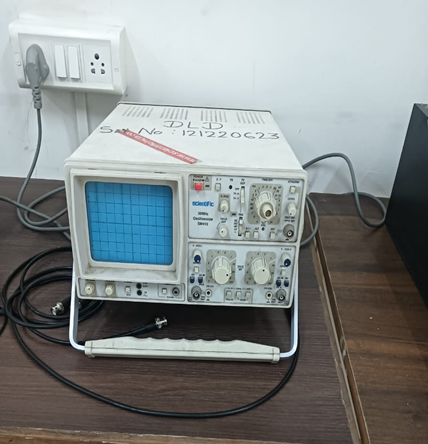
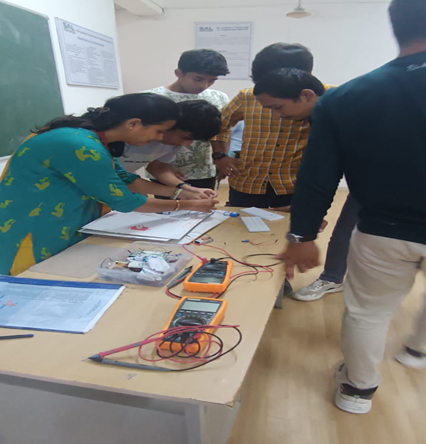
Basic Electronics Lab: Focuses on fundamental electronic circuits, including clamping and clipping circuits, transistor characteristics, rectifiers, and analog trainer kits, covers multivibrators and transistor-based circuits for signal processing applications.
Circuit and Network Lab: Helps students understand network theorems, KVL/KCL principles, and power transfer concepts using specialized trainers.
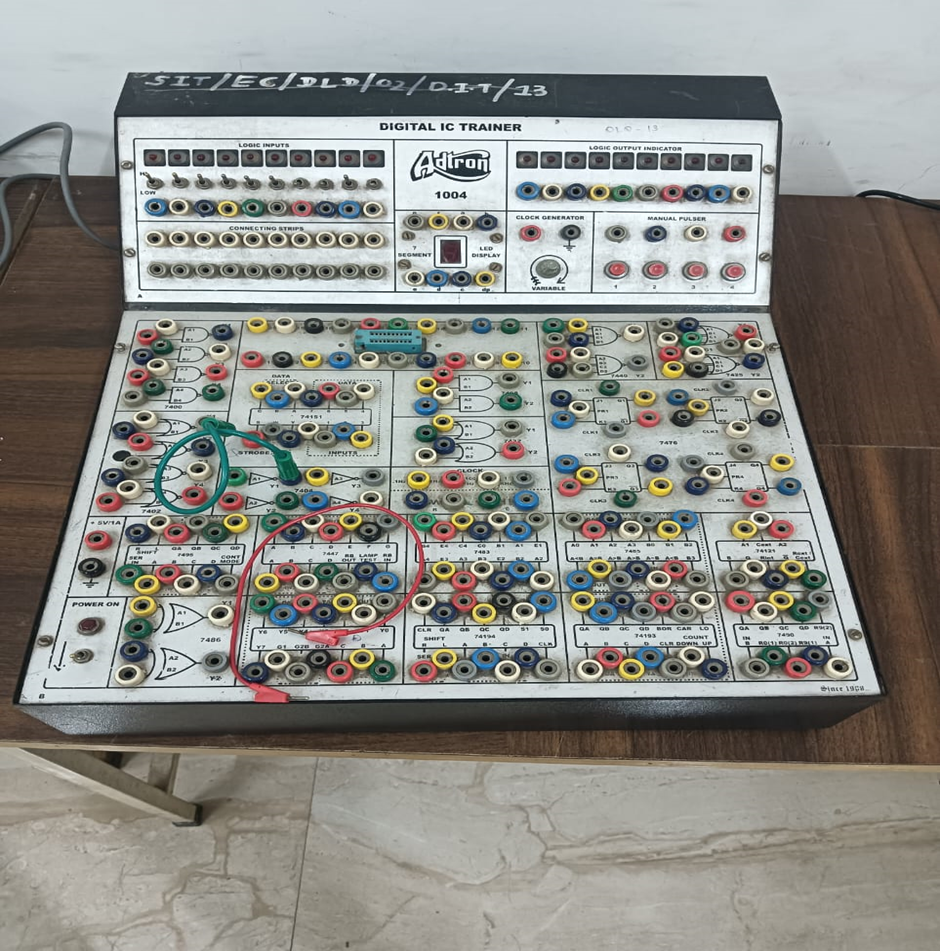
Digital Logic Design Lab: Explores logic gates, De Morgan’s theorem, digital IC trainers, and power supplies.
Helps students understand network theorems, KVL/KCL principles, and power transfer concepts using specialized trainers.
Digital Logic Design Lab: Explores logic gates, De Morgan’s theorem, digital IC trainers, and power supplies.
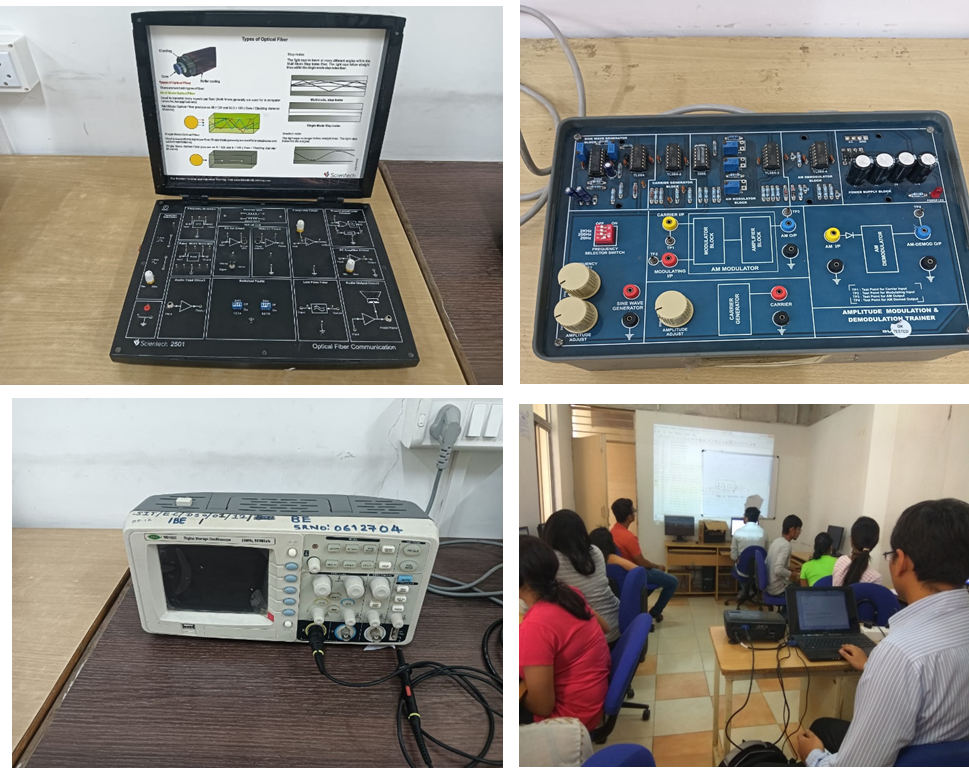
Covers radio receivers, modulation techniques, multiplexing, and automatic gain control circuits.
Electronics Measurement and Instrumentation Lab: Provides training in bridges, temperature measurement, displacement sensors, and oscilloscopes.
VLSI Lab: Provides exposure to Xilinx Spartan FPGA boards and digital I/O modules.
These electronics engineering labs offer practical experience in key communication and embedded systems areas. Optical Communication explores fiber optics and lasers. Digital Communication covers modulation and data formatting. Antenna and Wave Propagation focuses on antennas and RF. Audio Video Systems examines microphones, speakers, and TV systems. Embedded Systems uses ARM-7 boards and control modules. Digital Signal Processing trains in DSP kits and signal processing. Wireless Communication covers GPS and mobile systems. Microwave Engineering uses microwave benches and waveguide components. Satellite Communication explores transponders and receivers. Power Electronics focuses on power control circuits. The Electronic Workshop/Project Lab provides circuit building skills. Data Communication and Networking covers LANs and protocols.
Microprocessor and Interfacing Lab: Introduces students to 8085 and 8086 microprocessors, interfacing modules, ADC/DAC models, and stepper motor controllers.
Microcontroller Lab: Focuses on 8051 microcontrollers, Arduino boards, and motor control applications.
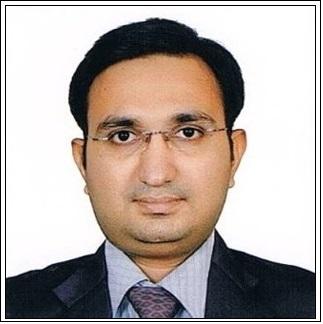
Dr. Sunil Nayak
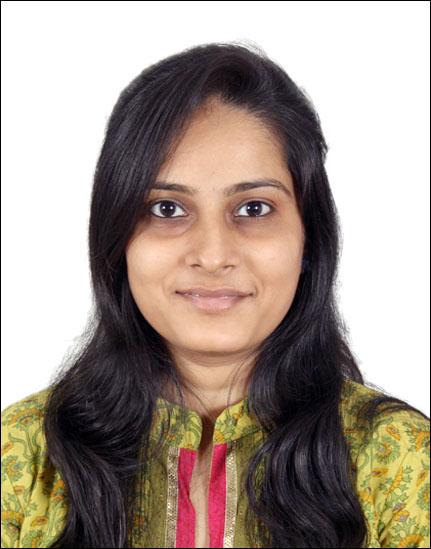
Prof. Pooja Thakar
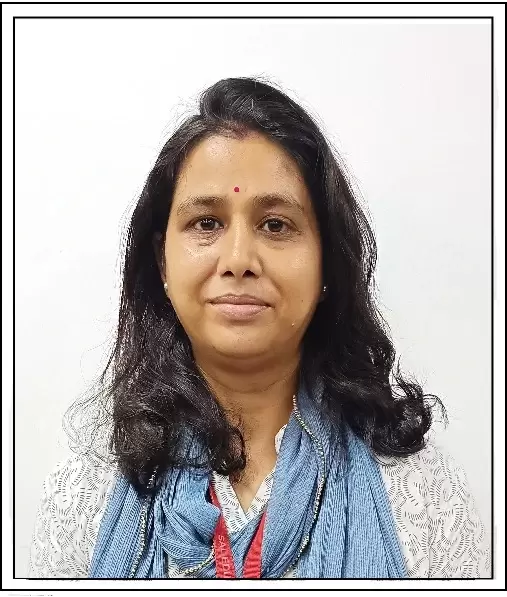
Garima Singh
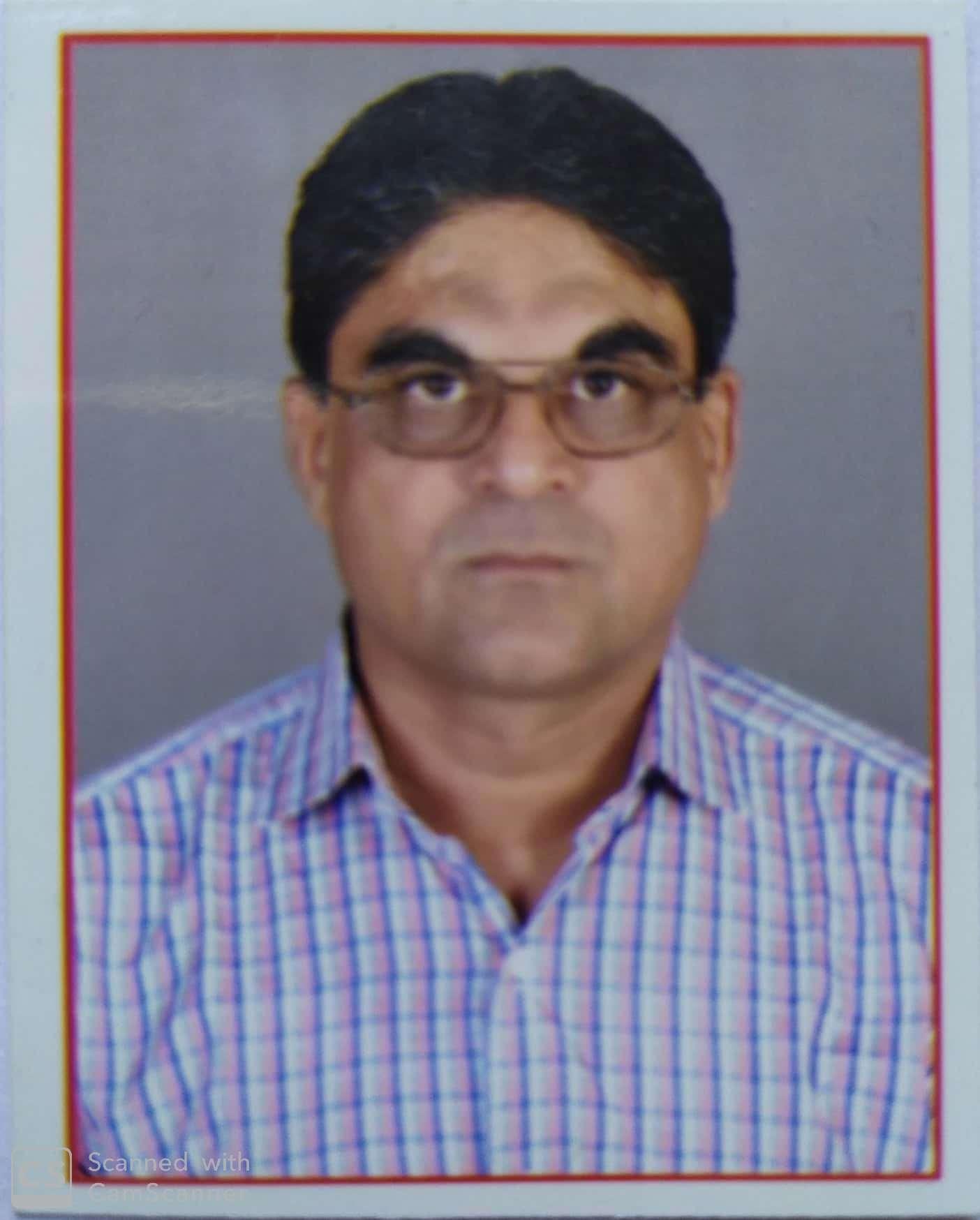
Dharmesh Khandhar
Dr. Meeta Matnani
Hardik Trivedi
Prof. Viral Krunalbhai Patel

Mr. Samir Shah
Ms. Neha Gajjar
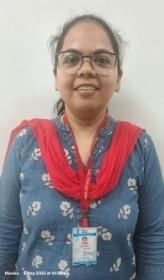
Ms. Rachana Desai
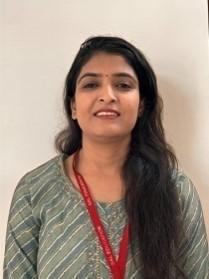
Ms. Shveta Barot
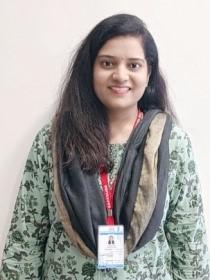
Ms. Ekta Shah
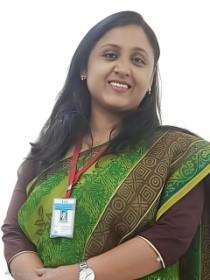
Dr. Reena Panchal

Ms. Monika Makwana
Faculty Details
| Name : | |
|---|---|
| Designation : | |
| Qualification : | |
| Specialization : | |
| Experience : | |
| Paper Publication : | |
| Workshop/Training/Seminar/Webinar Organized : | |
| Workshop/Training/Seminar/Webinar Attended : | |
| Email ID : |
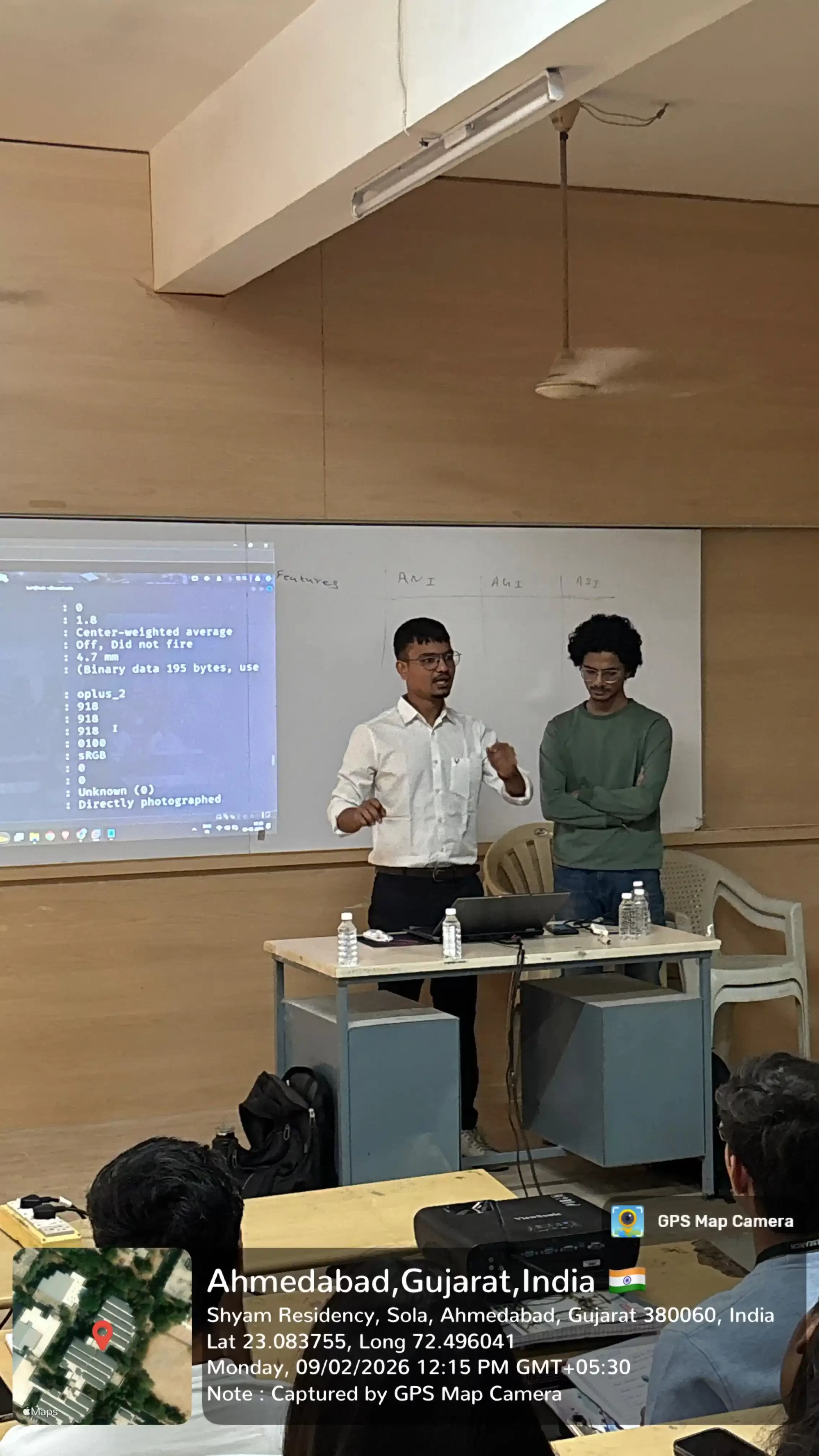
2026-02-09
 11:00:00 Onwards
 SAL Education
SAL Institute of Technology and Engineering Research (SALITER) successfully organized a two-day workshop on “Networking, Cyber Security, Ethical Hacking & Internet of Things (IoT)” on 9th and 10th February 2026.
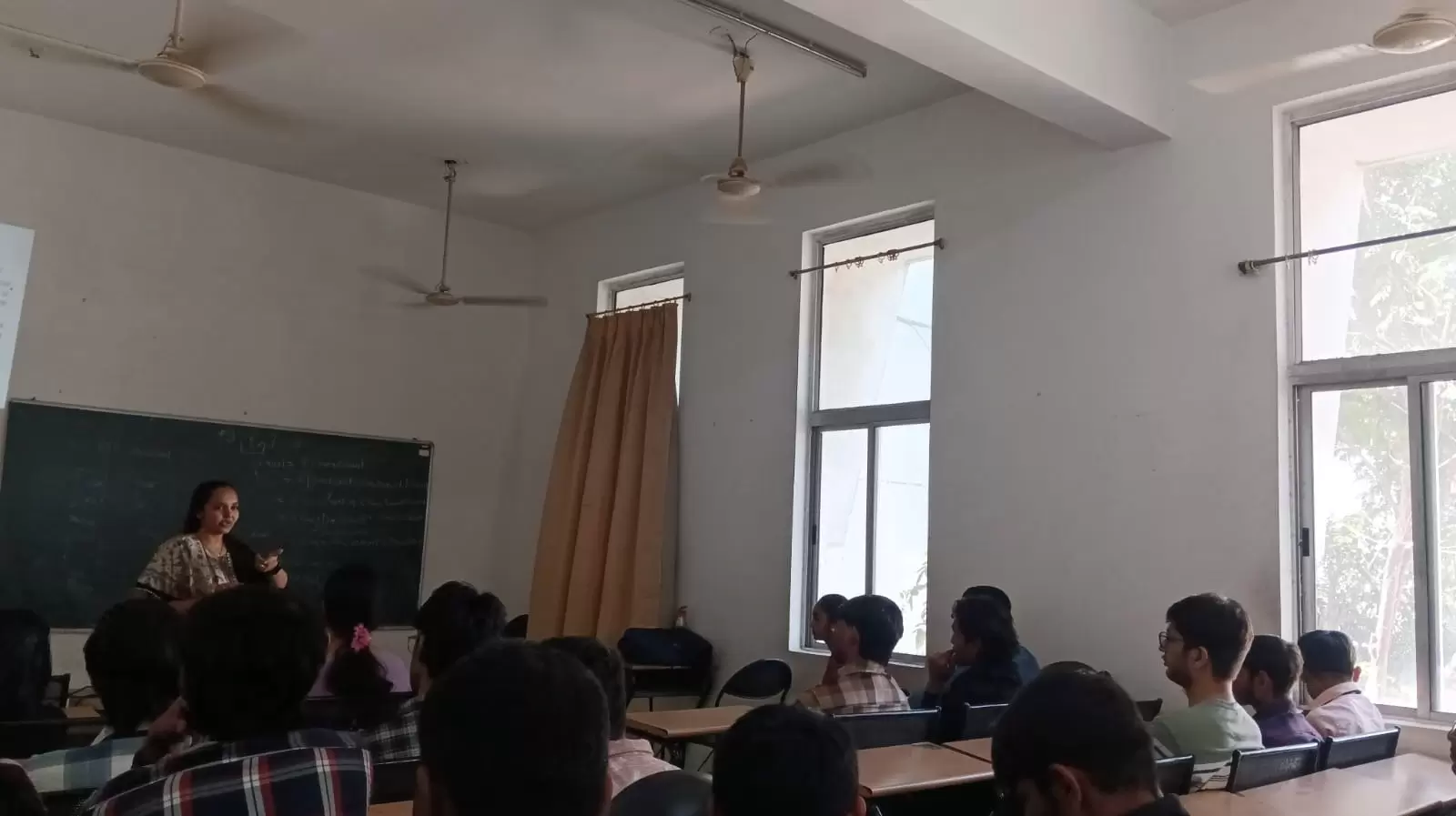
2026-03-10
10:30:00 Onwards
SAL Campus
The Seminar cum Workshop on AVR Controller and Communication Protocols was successfully conducted on March 10, 2026, providing valuable learning experience to Electronics and Communication Engineering students
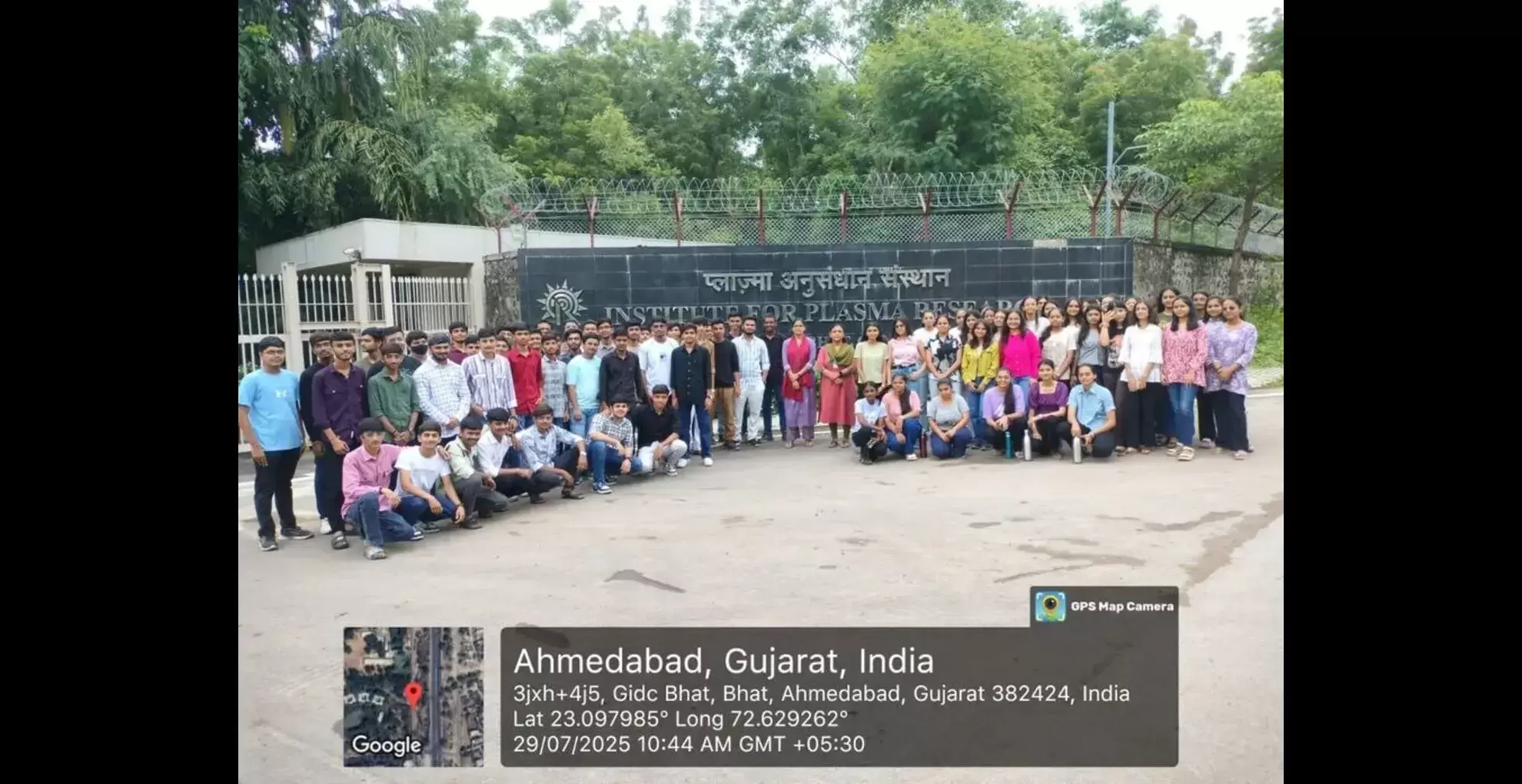
2025-07-22
10:00:00 Onwards
SAL Education
The Department of Applied Sciences & Humanities and the Department of Computer Applications organized an academic visits and expert talk from 22nd July 2025 to 6th August 2025 under the Induction Program.
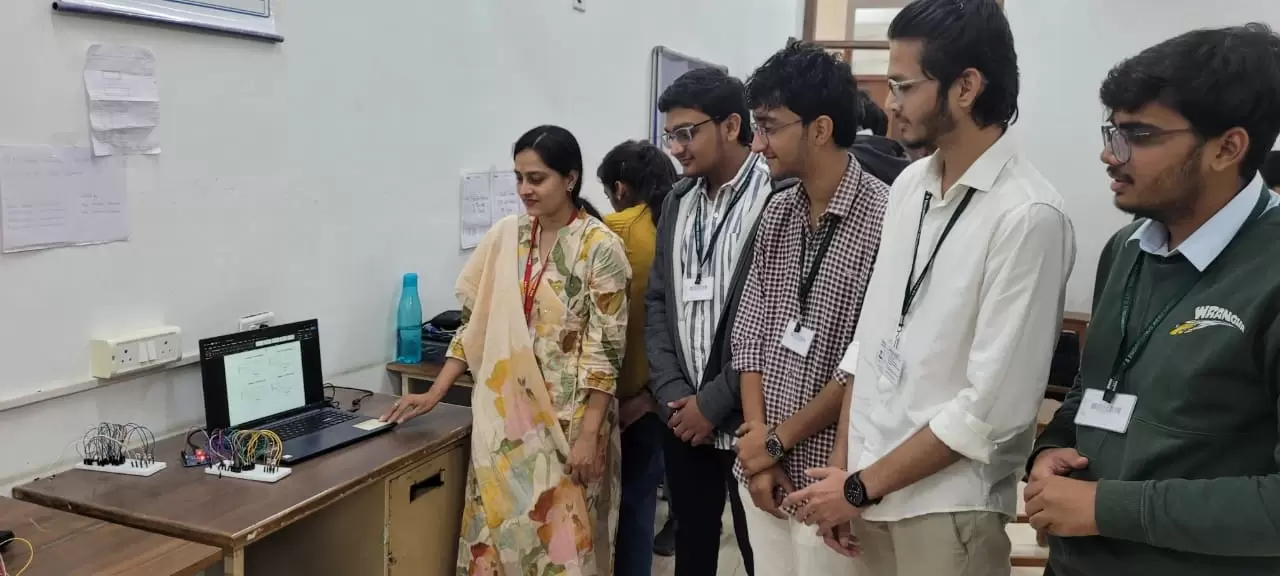
2025-11-21
10:00:00 Onwards
SAL Education
A one-day project presentation and exhibition titled 'Projexp, A Tech Expo' was organized by the Electronics and Communication Department and co-ordinated by Ms. Pooja Thakar and Ms. Garima Singh on 21/11/2025 for approximately 5 hours.
2025-02-17
10:00:00 Onwards
SAL Education
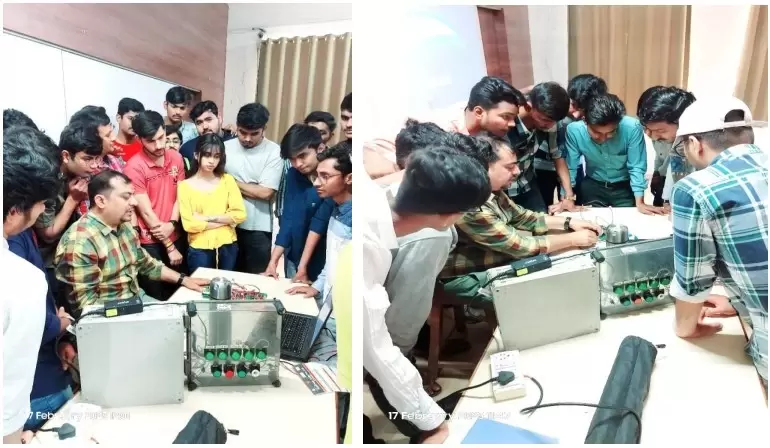
A workshop cum hands-on training session was organized by the EC Department on 17/02/2025 in collaboration with Sofcon India Pvt Limited. Forty students participated in this technical training focused on automation domain and its applications. Sofcon, established in 1995, specializes in providing comprehensive training and solutions in industrial automation and embedded systems.
2025-08-29
10:00:00 Onwards
SAL Education
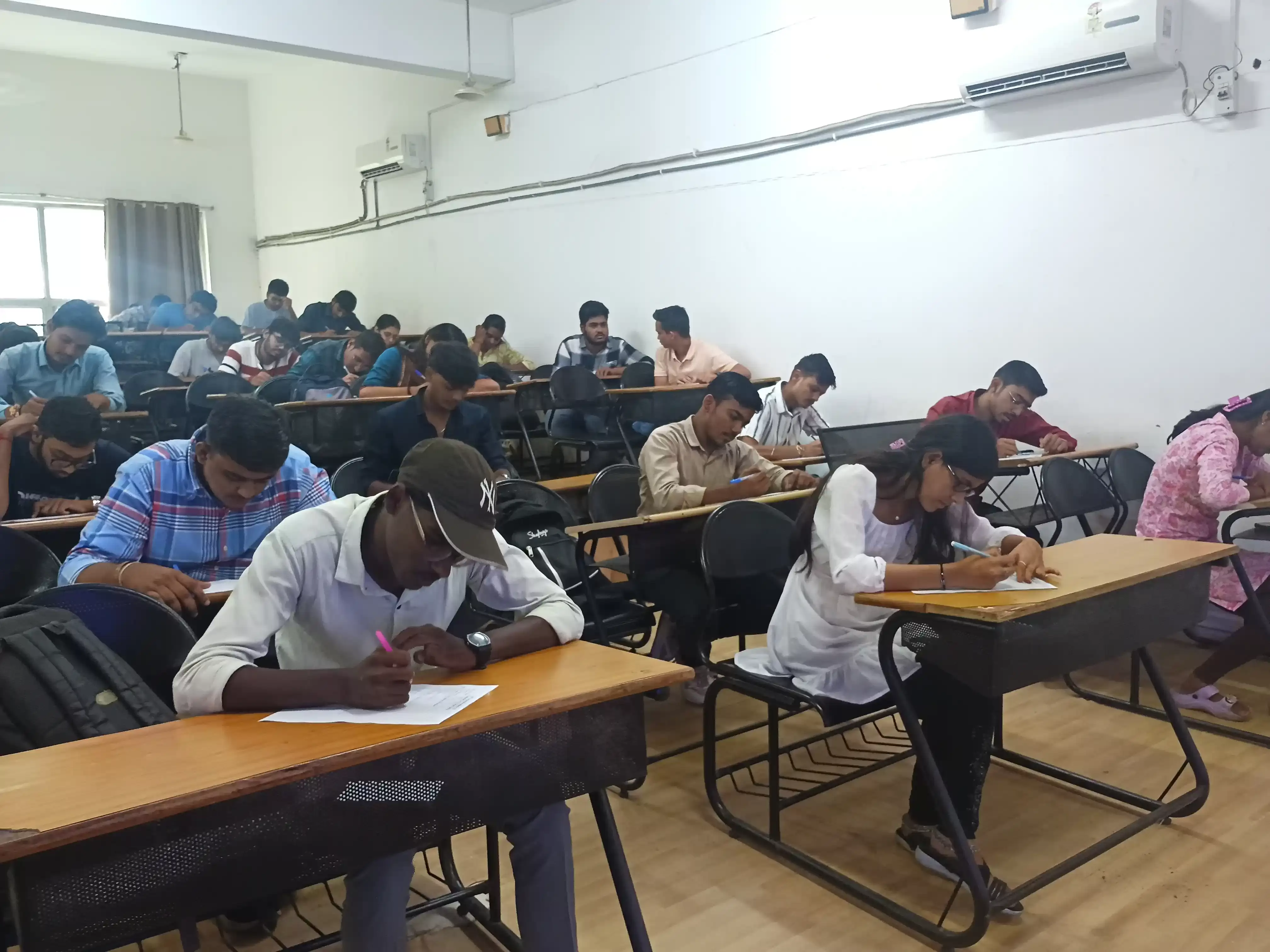
An expert seminar on Japanese Management Techniques and Industrial Automation was organized by EC Department on 29/08/2025 in SALITER, Ahmedabad. Fifty-three students, 3 faculty members participated in this offline session featuring Mr. Nayan Kakadia from SMC Corporation India Pvt. Ltd. as the speaker.
2025-08-30
10:00:00 Onwards
SAL Education
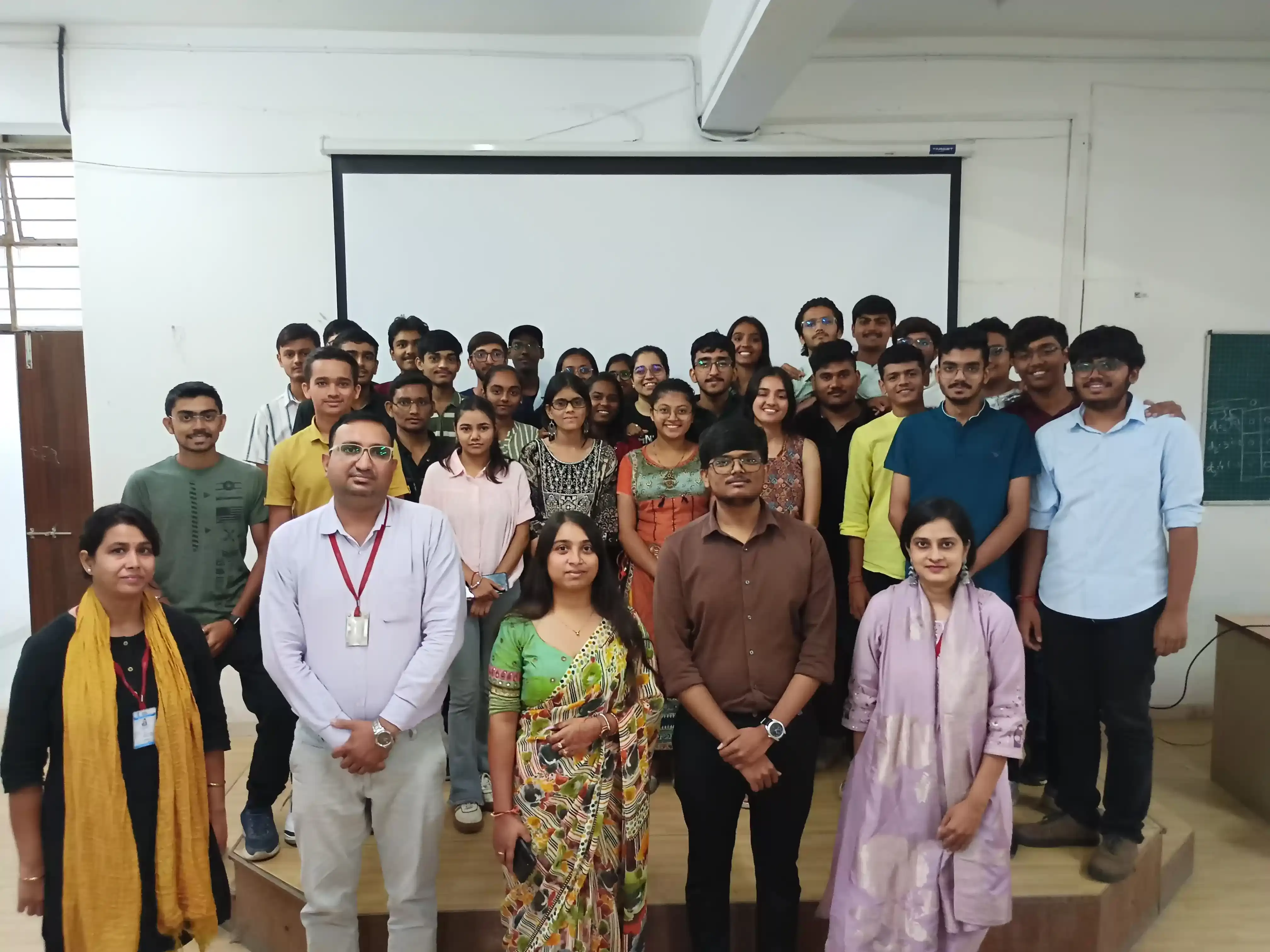
A one-day seminar on embedded systems was organized by the EC Department, co-ordinated by Ms. Pooja Thakar and co-cordinated by Ms. Garima Singh and Mr. Sunil Nayak on 30/08/2025, running for approximately 3 hours. Fifty students from EC and IC, spanning Semesters 3, 5, and 7, participated in this technical session.
2025-10-13
10:00:00 Onwards
Ahmedabad
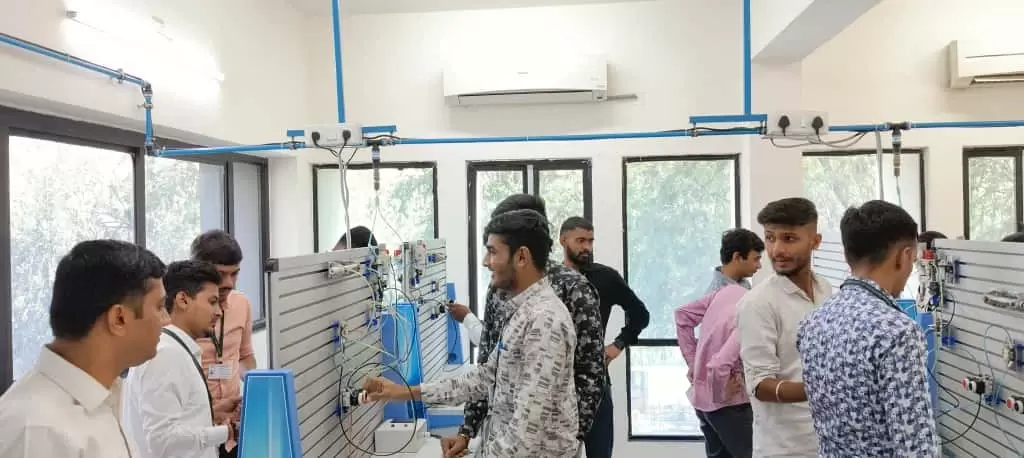
A three-day industrial visit and training program was conducted at SMC Corporation (India) Pvt. Ltd. from 13th to 15th October 2025. Selected students were chosen based on their performance in the previous SMC Corporation expert seminar held on 29/08/2025. Prof. Sunil Nayak from EC department accompanied the students.
2025-02-19
10:00:00 Onwards
Ahmedabad
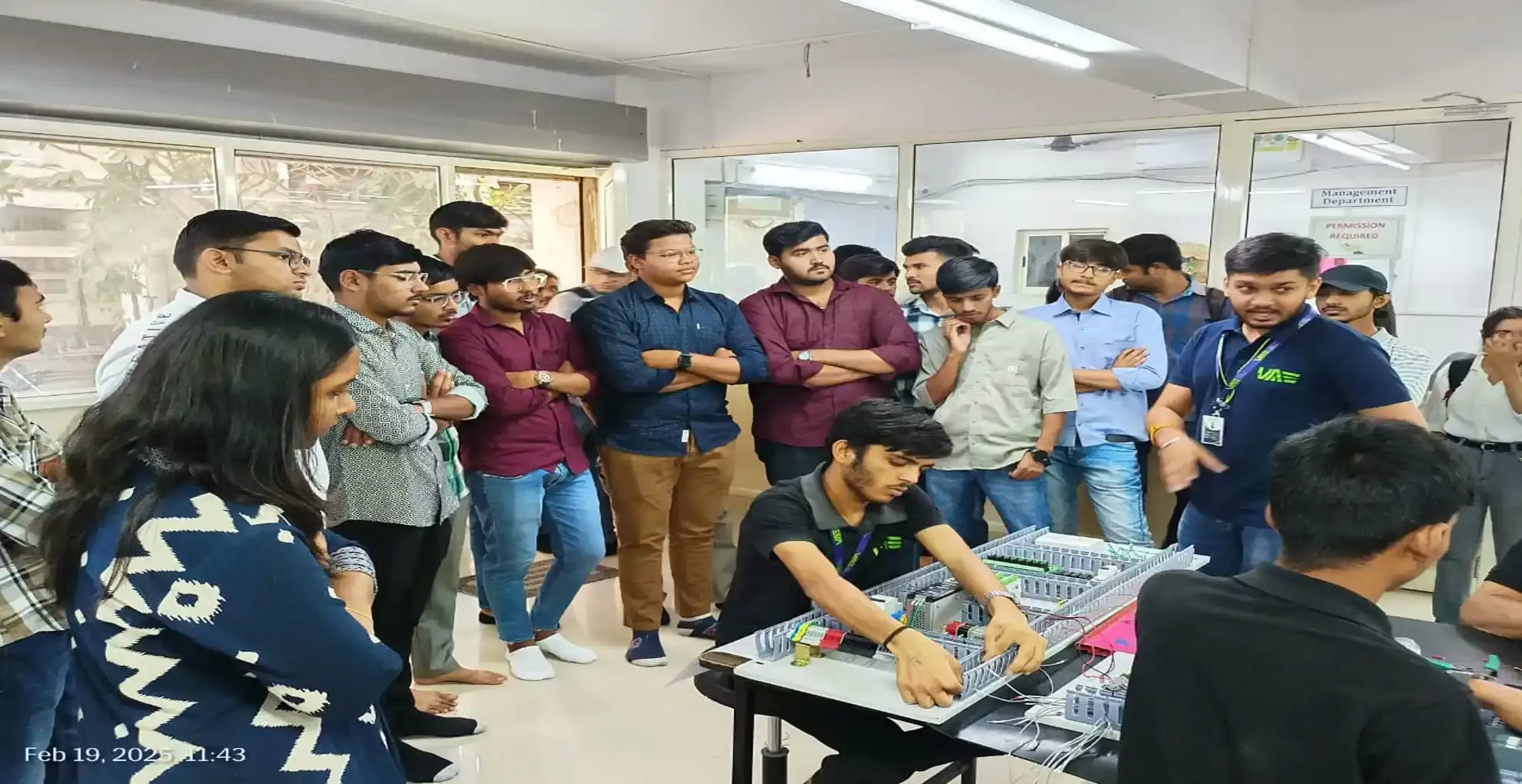
The Department of Electrical Engineering of SAL Institute of Technology and Engineering Research organized industrial visit to Visves Advance Engineering Pvt. Ltd on February 19, 2025. Prof. Megha Panicker and twenty students traveled to the company in Dudheshwar, Ahmedabad.
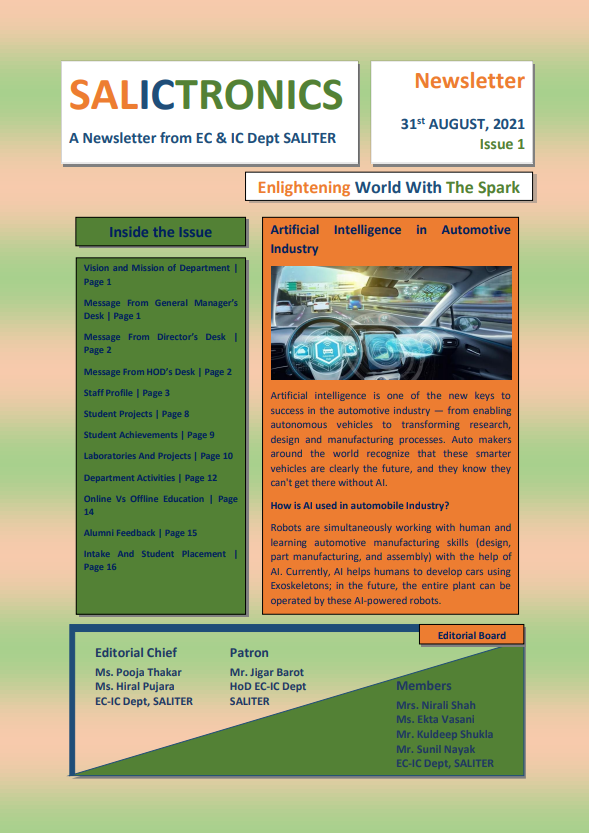
SALICTRONICS ISSUE1 EC IC NEWSLETTER
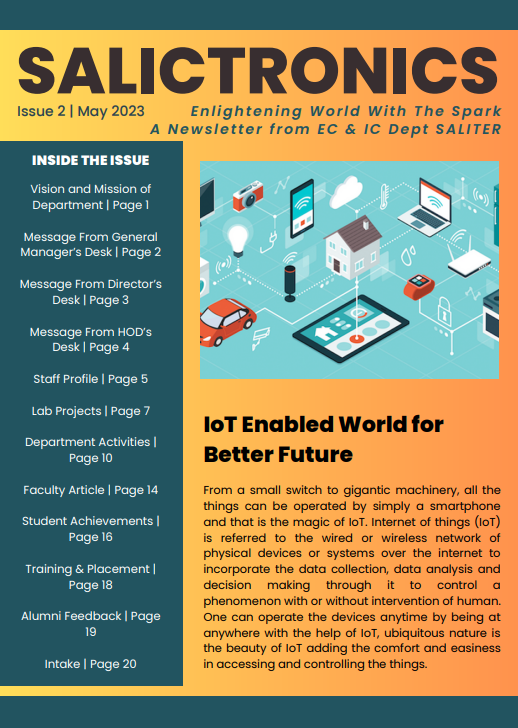
SALICTRONICS ISSUE2 MAY2023